
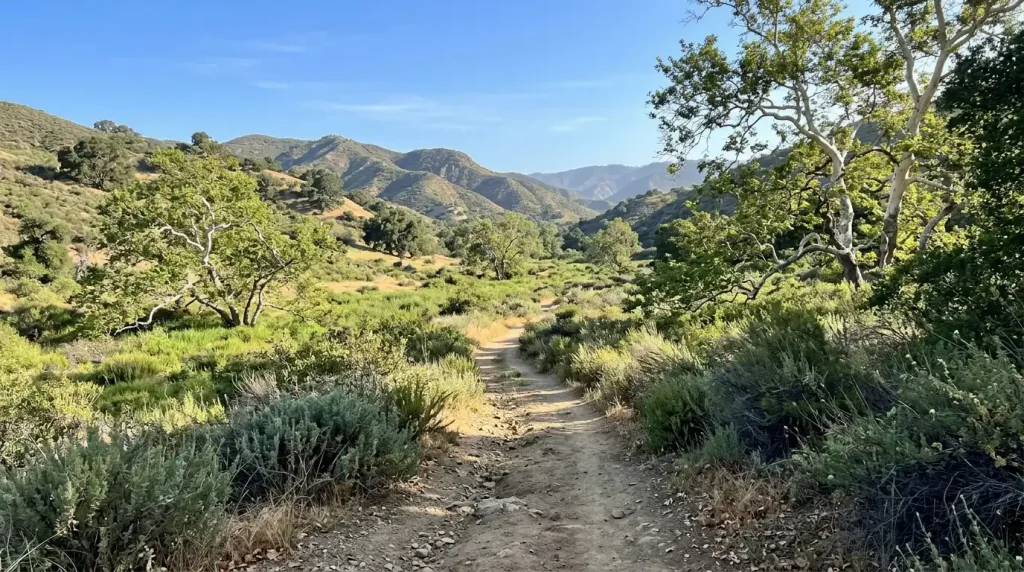
When locals and visitors look for things to do in Chula Vista outdoors, they often seek an escape from urban congestion without having to travel hours out of town. Tucked quietly between the urban neighborhoods of South County, the Otay Valley Regional Park serves as a sprawling natural sanctuary. Stretching from the eastern reservoirs down to the coastal salt marshes of the San Diego Bay, this protected corridor offers an ideal setting for anyone looking to reconnect with nature, explore regional trails, and observe local wildlife.
The Geography and Natural Layout of Otay Valley
The Otay Valley is defined by its dramatic topography, featuring a wide river valley flanked by steep mesas, seasonal water channels, and diverse ecological zones. Historically shaped by the Otay River, the valley floor transitions from freshwater riparian woodlands to coastal sage scrub and tidal mudflats. This geographic diversity makes it one of the most ecologically rich environments in the South Bay.
For outdoor enthusiasts, the park provides miles of continuous multi-use trails designed for hikers, mountain bikers, and equestrians. Because the terrain ranges from flat, easy-going dirt roads to more rugged hillside climbs, visitors of varying fitness levels can tailor their outdoor excursion to fit their preferences.
Top Trail Routes and Scenic Highlights
Navigating the park’s extensive trail network requires a bit of planning. Several designated access points offer convenient parking, informational kiosks, and trailhead maps:
- The Western River Valley Section: Ideal for casual walkers and birdwatchers, this section features flat dirt paths winding close to restored wetlands and slow-moving water channels.
- The Central Mesa Trails: Offering elevated views looking down over the valley floor, these routes provide a slightly more challenging workout with panoramic vistas stretching toward the San Diego skyline on clear days.
- Connector Paths: Various segments link municipal parks to the main regional trail, making it accessible for neighborhood residents looking for a weekend morning run or bike ride.
Early morning and late afternoon are the optimal times to hit the trails. Not only do these windows avoid the intense midday Southern California heat, but they also offer the best lighting for photography and wildlife observation.
Flora, Fauna, and Bird-Watching Hotspots
One of the primary draws of the Otay Valley Regional Park is its thriving ecosystem. Despite sitting adjacent to heavily populated suburban areas, the park functions as a vital wildlife corridor connecting inland mountains to the coast.
Birdwatchers frequent the valley to spot raptors such as red-tailed hawks, American kestrels, and occasional golden eagles soaring above the ridges. Along the riparian corridors and seasonal ponds, visitors can frequently observe egrets, herons, and songbirds nesting in the dense willow and sycamore canopies.
The native plant life is equally resilient. Hardy chaparral, coastal sage scrub, and seasonal wildflowers line the pathways. During spring months, post-winter rains bring vibrant patches of yellow mustard flowers, California poppies, and brittlebush, adding splashes of color to the earthy canyon landscape.
Preserving Regional Heritage and Open Space
Beyond its recreational value, the Otay Valley holds deep historical significance. For thousands of years, the area was inhabited by indigenous peoples who relied on the river’s resources for sustenance and seasonal gathering camps. Later, agricultural pioneers transformed parts of the valley into farmland, cultivating citrus groves and row crops.
Today, cooperative conservation efforts between local municipalities and regional agencies focus on preserving these open spaces. Protecting the watershed and maintaining native habitats ensures that the valley remains a balanced ecosystem where recreation and environmental stewardship coexist.
Practical Tips for Your Outdoor Excursion
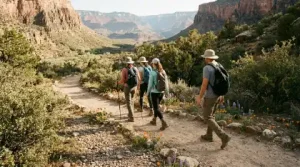
To make the most of your time exploring the Otay Valley, keep these practical guidelines in mind:
- Hydration is Essential: Bring ample drinking water, especially during warmer months when temperatures in the valley can rise quickly.
- Sun Protection: Much of the trail network lacks extensive tree canopy, so hats, sunglasses, and high-SPF sunscreen are strongly recommended.
- Trail Etiquette: Respect local wildlife, stay on designated paths to protect fragile native plants, and pack out whatever trash you bring in.
- Pet Guidelines: If hiking with dogs, ensure they remain on a leash at all times and bring extra water for your pets.
For those interested in broader regional conservation, trail maps, and official park guidelines, resources provided by the California Department of Parks and Recreation offer comprehensive statewide outdoor information.
Experience Chula Vista’s Natural Backyard
Exploring the Otay Valley Regional Park reminds us of the natural beauty woven into the fabric of San Diego’s South County. Whether you are looking for an energetic mountain biking session, a quiet spot for weekend birdwatching, or a peaceful afternoon hike surrounded by native trees, this local corridor delivers an authentic outdoor experience.
For additional insights into local parks, coastal trails, and community events across the region, you can also explore civic resources and historical overviews maintained by the City of San Diego official portal. Lace up your hiking boots, step out into the fresh air, and discover the rugged, vibrant heritage waiting just down the trail.